

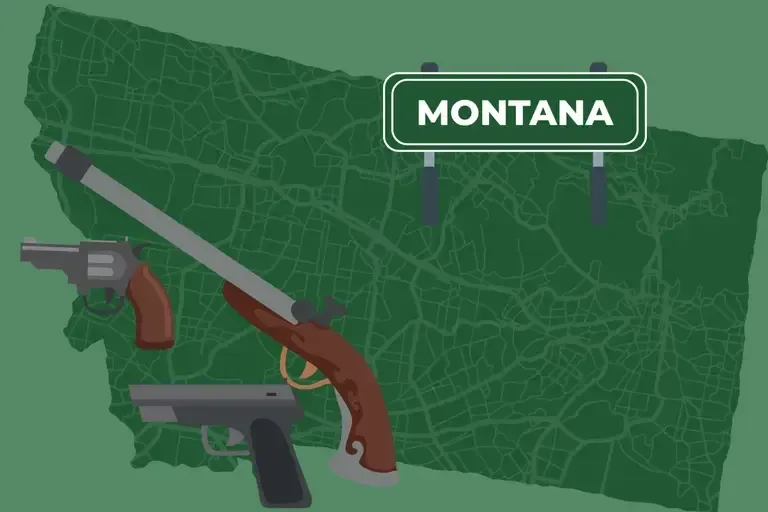
You can sell a gun in Montana by selling it to an FFL or federal firearms licensee like Cash for Arms, or to a legally eligible private buyer.
As it is, people selling a gun in Montana won’t find many restrictions. This is a gun-friendly state that even leads the nation in gun ownership rates!
You can still get in trouble for breaking the gun sale laws here, of course. This guide will make sure you have nothing to worry about. You’ll learn all you need to legally sell guns in Montana.
Sell Firearms in Montana the Easy Way
If you want as little work as possible, sell your guns to us! We do all of the heavy lifting, from legalities to shipping!

Get a No-Obligation Offer in Hours!
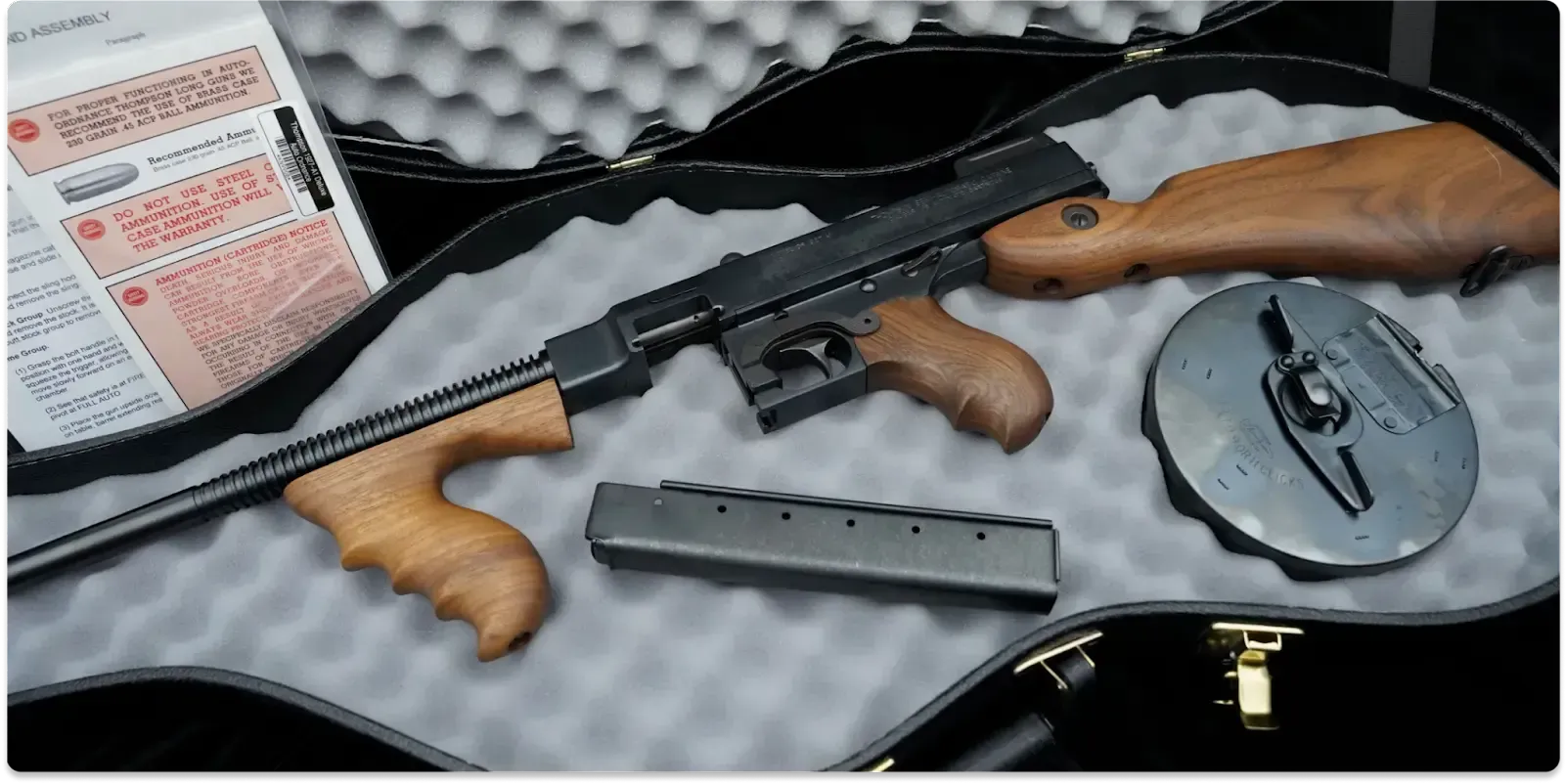
Want to know what we'll pay for your firearm? Just show it to us here. We usually reply within hours of getting a submission!

Get THE BEST Offer for Your Guns
We often pay the best market prices for used guns in Montana. Try showing us your gun and see why we have a best price guarantee!
General Questions & Answers
Yes, it is legal to sell guns in Montana. Montana generally has permissive gun laws and recognizes the right of individuals to buy and sell firearms. Private individuals can engage in face-to-face transactions to sell firearms without the involvement of a licensed firearm dealer or the requirement of a background check.
Yes, you can. Montana does not require a license to buy or own a gun.
The fee for issuance of a permit is $50. In addition, the sheriff may charge the applicant $5 for fingerprinting.
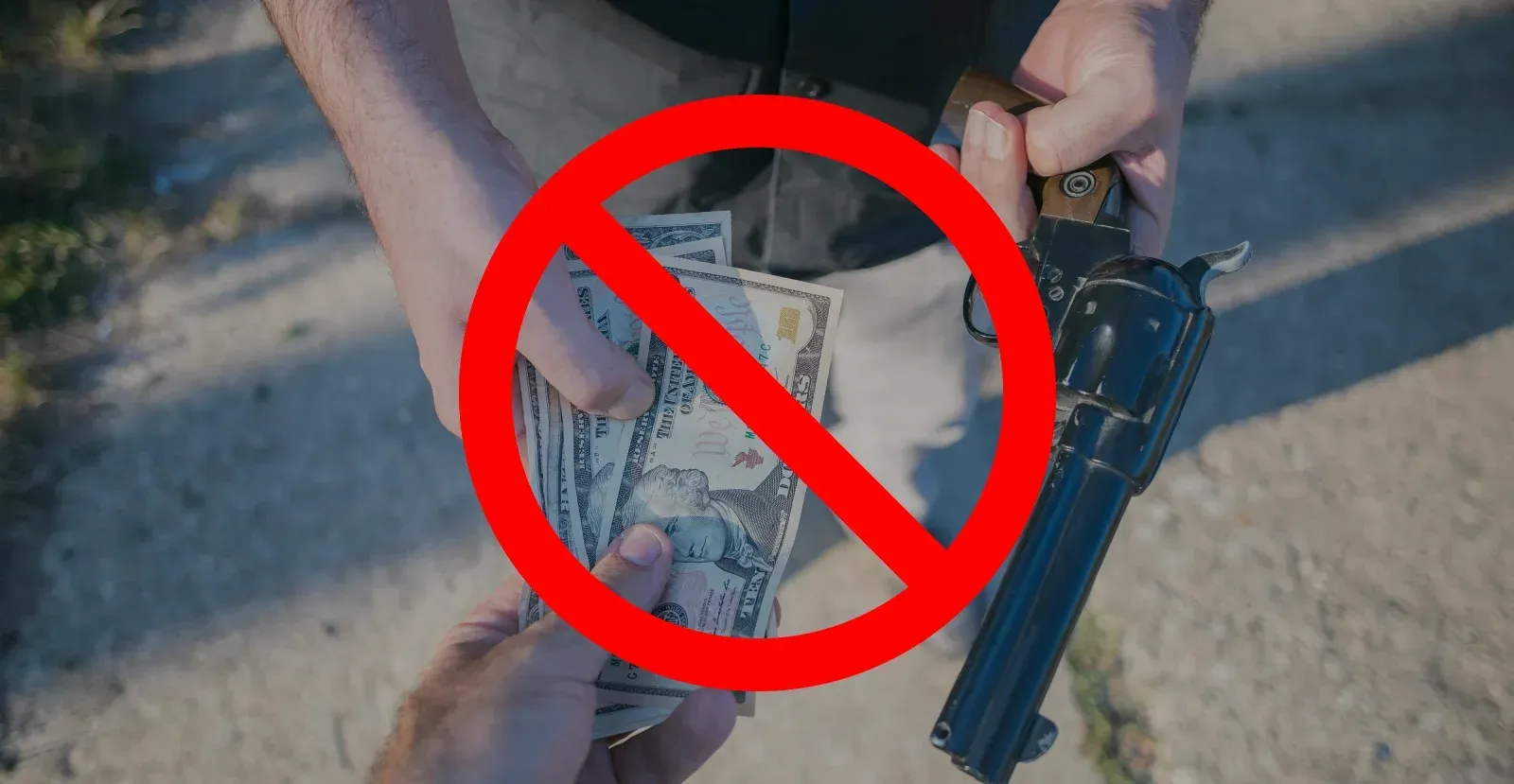
Whenever a private individual, not a gun store, sells a firearm across state lines (meaning to a person who resides in another state), a federally licensed firearm dealer must be utilized in the buyer's state of residence to facilitate the transfer.
No permit is required to purchase a handgun in Montana.
To sell firearms privately in Montana, no specific state permits or requirements are needed. However, it is important to comply with federal laws and exercise responsible practices. Verify the buyer's eligibility, avoid selling to prohibited individuals, consider using a bill of sale for documentation, and exercise caution when conducting private firearm sales.
In Montana, a gun bill of sale does not have to be notarized by law.
To purchase or possess firearms, a Montana resident does not require registration, license, or permit. Montana state law does not prohibit any sales of firearms to residents from out of state, but you can’t purchase a gun if you are a non-resident.
A registration, license, or permit is not required when purchasing or possessing firearms, as it is in most states with lax gun control attitudes. The right to carry a concealed handgun is the only permit required in Montana.
Montana is a shall-issue, permitless carry state, with concealed weapons permits processed on a local level by the county sheriff's office. No permit is needed to purchase a firearm from a private individual, there is no waiting period, and there is no firearms registration in the state.
Montana's gun laws are known for being among the most permissive in the United States.
Montana does not have gun registration, licensing, or owner permits
When a private individual, rather than a gun store, sells a firearm to someone residing in another state, the transfer must be facilitated by a federally licensed firearm dealer in the buyer's state of residence. The fees associated with this process can vary depending on the specific FFL (Federal Firearms License) involved.
Yes, Montana allows private gun sales.
Yes, as long as the receiver is not a prohibited person and the gifting is not being used to circumvent a background check or other laws.
In Montana, individuals are prohibited from possessing firearms if they have been convicted of a felony, including offenses committed with a dangerous weapon that results in an additional sentence. Additionally, individuals who are required to register as sexual or violent offenders due to a felony conviction are also prohibited from possessing firearms.
Find Out How To Sell A Gun In Any State
DISCLAIMER
The information we provided here was gathered with the aim to help readers. However, there are no guarantees that it’s still current when you access it. The law can change faster than we can make updates to the content. We’re also not lawyers. We recommend you consult one or a public official if you need professional advice on the topic.