
Cash For Arms
Sell Your Gun Now
Blogs>How to Sell a Gun>How to Sell a Gun in Rhode Island

How to Sell a Gun in Rhode Island

Isaiah Miller
Written by:Isaiah Miller
Updated On:February 27, 2026
5minutes read

Rhode Island is among the stricter states when it comes to gun laws. Universal background checks, partial gun owner licensing, purchase permits… There’s a slew of regulations to wade through!

While this means selling guns in Rhode Island is harder than in other states, it’s still doable. We’ll take you through the steps for it below.

And don’t worry: we’ve also simplified the many laws into the points you need to know for a private gun sale.
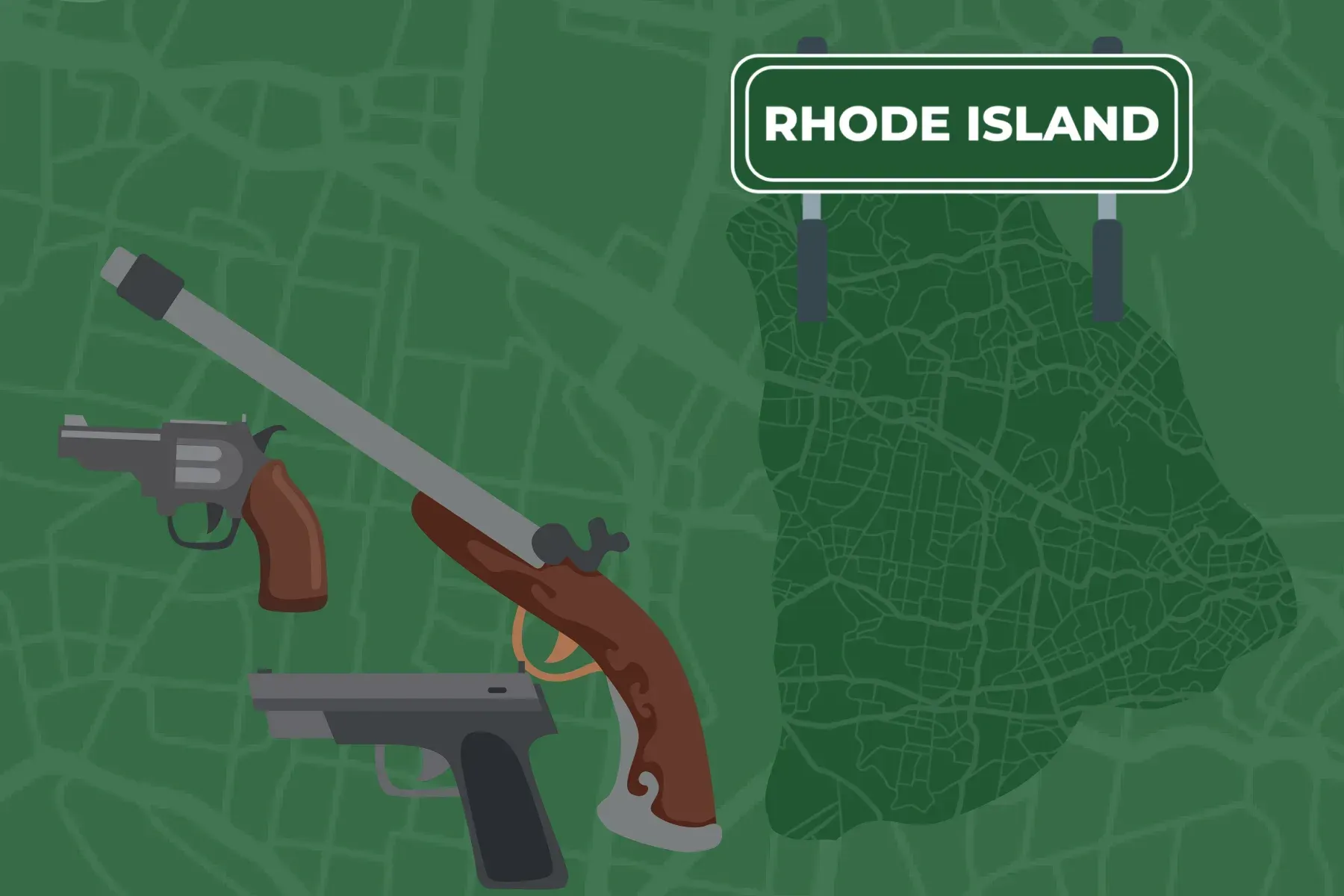

sell a gun in Rhode Island

We buy guns! Fast. Safe. Legal.

"They paid me 3x more than what my local gun shop offered'
Get My Cash Offer

Rhode Island Key Points:

  • Rhode Island requires background checks on all gun sales.
  • You can’t sell handguns to people under 21, and long guns to people under 18.
  • Firearm application forms are necessary even in Rhode Island private gun sales.
  • Private sellers have to go through federally licensed dealers to transfer guns for sale.
  • You can quickly sell your gun and get a quote right now with Cash for Arms.

Rhode Island Gun Laws for Firearm Sellers

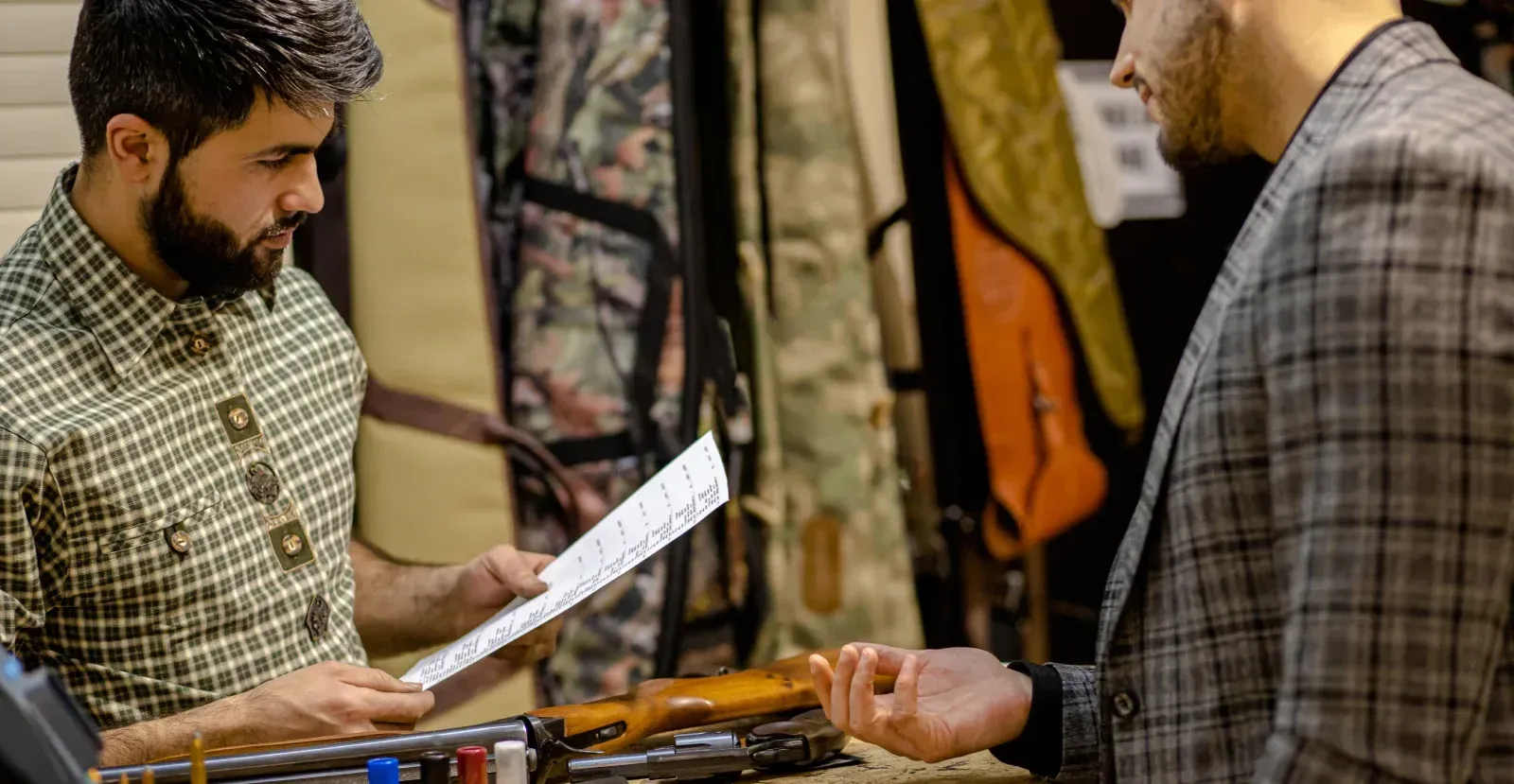
a man looking at a rifle in a store

You can get details in the ATF compilation of Rhode Island gun laws, but here are the main points:

  • Private gun sales - Legal, but with a caveat. Rhode Island only allows private gun sales if an FFL (federally licensed gun dealer) processes the transfer.
  • Background checks - Required. Rhode Island even requires background checks on buyers in private gun sales.
  • Firearm purchase application forms - Required for the background check to start.
  • Waiting periods - 7 days. The count starts from 12:00 (noon) of the day after the purchase application was submitted. Buyers who are law enforcement officers are exempted. You can see more exceptions in RI Gen L § 11-47-35.1.
  • Gun sales tax - Currently 7% on all guns sold in the state.

Sell Guns Easier in Rhode Island!

Why worry about paying FFLs for a gun transfer when you can skip the fee and sell straight to one? We do all of the heavy lifting too when you sell guns to us. Try us now!

Get a Cash Offer

Who Can Buy Guns in Rhode Island?

__wf_reserved_inherit
  • Minimum age - 21 for handguns, 18 for long guns.
  • Handgun permit - Required for handgun purchases, along with a Blue Card proving completion of a handgun safety course.
  • Right to possess firearms - Required. Check that your buyer isn't on the list below (from the GCA and RI Gen L § 11-47-5):
    • Illegal aliens
    • Fugitives from justice
    • Convicts of any crime of violence
    • Convicts of offenses punishable as felonies
    • Convicts of certain offenses punishable as misdemeanors under RI Gen. L. § 12-29-5
    • Those who enter nolo contendere pleas to offenses under the 2 previous items
    • Those adjudicated mentally incompetent
    • Those committed involuntarily to mental institutions
    • Those unlawfully using or addicted to controlled substances
    • Those with dishonorable discharges from the Armed Forces
    • Those who have renounced citizenship of the United States
    • Those convicted of misdemeanor domestic violence crimes
    • Those subject to domestic violence restraining or protective orders

Options for Selling Guns in Rhode Island

Option 1: Selling Guns to Cash for Arms

Cash for Arms homepage

Pros:

  • Easy sale with only 3 steps
  • Same-day payment
  • No need for background checks
  • Legal sale to an FFL
  • Great reviews and market prices
  • Several options for payment methods

Cons:

  • You have to ship your gun

Method

  1. Show us details of your gun through our website and be as detailed as possible.
  2. Wait for an offer and accept it, then let us arrange free insured shipping.
  3. Get paid the same day it reaches us.

For large gun collections, you may want to check out liquidation services in Rhode Island.

Get a No-Obligation Offer for Your Gun

We often send offers to sellers within hours of receiving submissions. Try showing us your gun's details now and see what we'll pay for it. No obligations, just honest money!

Get a Cash Offer

Option 2: Rhode Island Gun Store

Pros:

  • Easy sale with no need for background checks
  • Legal sale to an FFL
  • Payment on the spot

Cons:

  • Low offers
  • Some stores may use high-pressure tactics

Method

  1. Call local gun shops to find ones interested in your gun.
  2. Unload the gun and clean it to prepare it for appraisal.
  3. Take the gun to the interested stores for an appraisal and to get offers.
  4. Get as many offers as you can before choosing the best one.

Option 3: Local Pawn Shop

Pros:

  • Easy sale with no need for background checks
  • Legal sale to an FFL dealer
  • Payment on the spot

Cons:

  • Usually make the lowest offers

Method

Use the same method as for gun shops.

Option 4: Private Buyer

Pros:

  • Often pay more than local gun shops/pawnbrokers

Cons:

  • High-effort and often slow sale process
  • Buyer background checks are required
  • Added legal responsibility to the seller

Method

  1. Advertise your gun among locals, e.g. with flyers posted at shooting clubs’ boards or through word-of-mouth.
  2. Wait for buyers to reach out to you and negotiate over the terms.
  3. Choose the best offer and meet your buyer at a Rhode Island FFL's shop to start the background check and sale transfer.
  4. Give the gun to the FFL for safekeeping and wait 7 days for the background check to clear.
  5. Collect the payment from your buyer and let him collect the gun from the dealer.

Get THE Best Offer for Your Guns!

Your guns could be worth more than you think. Let us do a free appraisal, then send an offer. We often pay top market prices for used guns in RI, as you'll see!

Get My Cash Offer

Sell a Gun in Rhode Island Fast, Safe, and Easy

Now you know how to sell a gun in Rhode Island. If you want it done in as easy and profitable a way as possible, consider Cash for Arms.

We don't make you go through hoops to sell your gun. You can sell it to us from your home in just 3 steps. At the same time, you enjoy the peace of mind that comes from selling to an FFL dealer. We basically make gun sales in Rhode Island simpler.

Try submitting your gun details to us here to see. You can also contact us at (904) 977-5477 to talk to one of our team members.

We buy guns! Fast. Safe. Legal.

"They paid me 3x more than what my local gun shop offered'
Get My Cash Offer

General Questions & Answers

Yes, it is legal to sell a gun in Rhode Island, but there are stipulations. A private gun seller can conduct business only with a buyer who has a valid purchase permit. Moreover, they must observe a seven-day waiting period between completing the financial transaction and delivering the firearm to the buyer. The transaction must be processed through an FFL.

No, you can’t. In order to purchase a handgun, a buyer must have a Rhode Island License to Carry Concealed Weapons (LCCW) or obtain a “blue card” from the RI Department of Environmental Management.

When a private individual, rather than a gun store, sells a firearm to someone residing in another state, the transfer must be facilitated by a federally licensed firearm dealer in the buyer's state of residence. The fees associated with this process can vary depending on the specific FFL (Federal Firearms License) involved.

Yes, you need a valid government-issued photo ID to purchase a firearm in Rhode Island. This is generally necessary for the completion of the background check.

In Rhode Island, private sales of firearms require the assistance of a federally licensed dealer (FFL). The seller and buyer meet at the FFL's premises, where the buyer completes a background check. If the check is successful, the dealer will facilitate the transaction and maintain records, as required by law. 

Rhode Island did not require gun bills of sale to be notarized. 

All prospective firearms purchasers in Rhode Island must complete and sign an application form which the seller must send to the state police or local chief of police for the background check. The police authority has seven days to verify that the applicant's background meets state requirements.

A blue card or hunter education card is needed to purchase both a handgun and any ammunition. Possession of a Pistol/Revolver Safety Certificate, also known as the "blue card," is a required document as part of the process to purchase a handgun and/or ammunition in Rhode Island.

In Rhode Island, individuals must obtain a license to carry a concealed handgun (CCW) in public. Background checks are required for all firearm sales, including private transactions. The minimum age to purchase and possess firearms is 18 for long guns and 21 for handguns. Certain individuals, such as convicted felons and those with domestic violence convictions, are prohibited from possessing firearms. Assault weapons and large-capacity magazines are banned, with exceptions for those who possessed them before the ban.

Rhode Island has strict gun laws.

When a private individual, rather than a gun store, sells a firearm to someone residing in another state, the transfer must be facilitated by a federally licensed firearm dealer in the buyer's state of residence. The fees associated with this process can vary depending on the specific FFL (Federal Firearms License) involved.

Yes, you can sell a gun privately in Rhode Island, but the sale must be conducted through a Federal Firearms License (FFL) holder. In Rhode Island, individuals who want to acquire firearms are generally required to complete a specific application form when purchasing or acquiring a firearm from any person, including non-licensed gun dealers.

In Rhode Island, it is illegal to own or possess if a person: Has been convicted of a crime of violence. Is a fugitive from justice. Has entered a plea of "no contest" to, or been convicted of, a felony domestic violence offense or specific misdemeanor domestic violence offense.

Disclaimer: The CashforArms.com guides are educational articles, not legal manuals. To get updated and confirmed legal advice, please talk to a lawyer. A local government authority can also answer specific questions about the current state laws.