

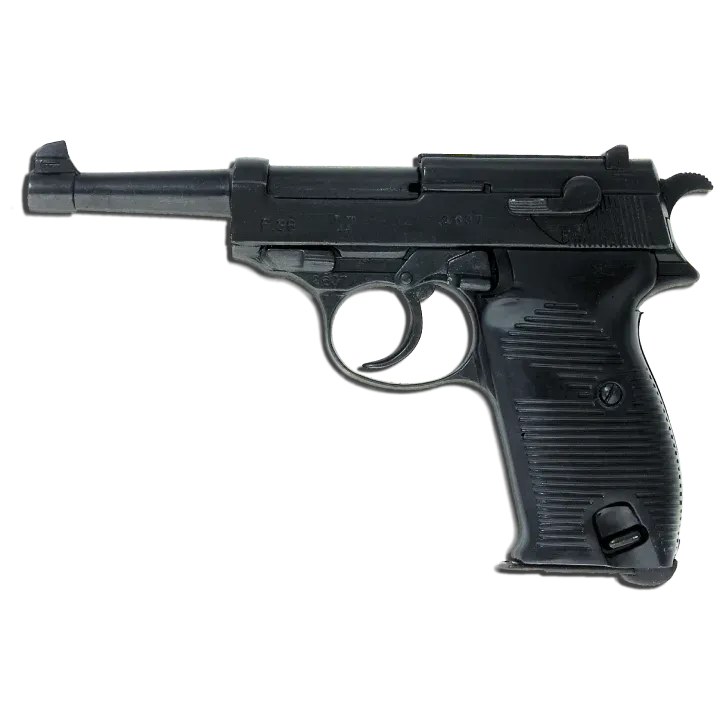
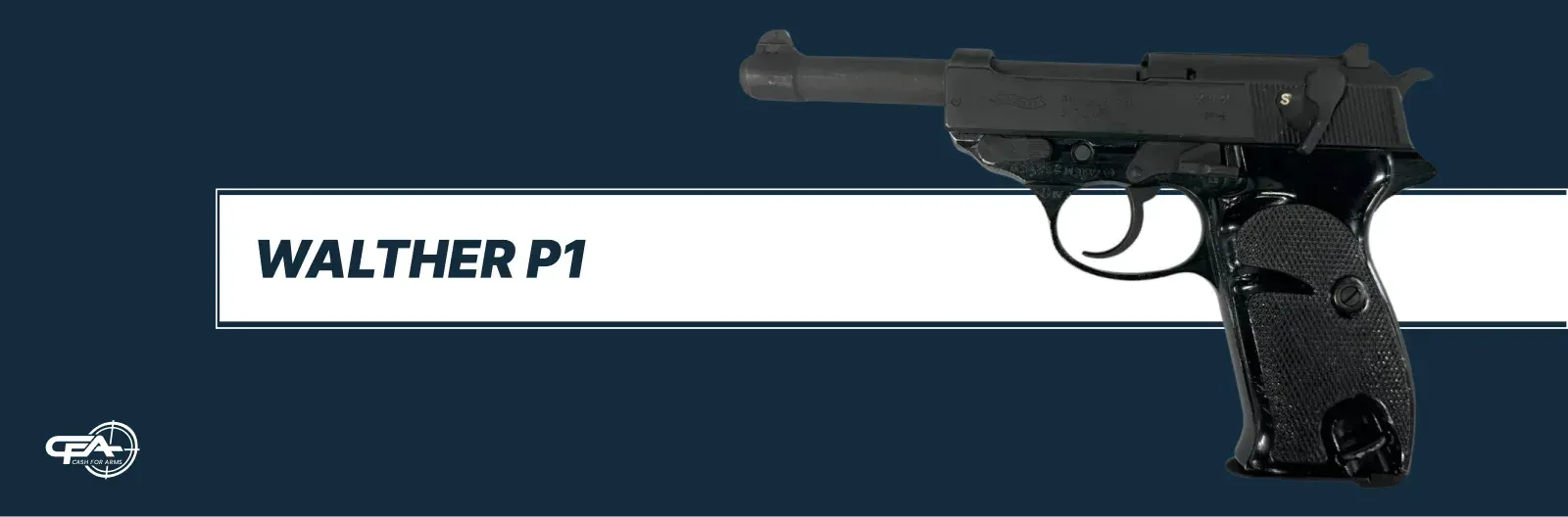
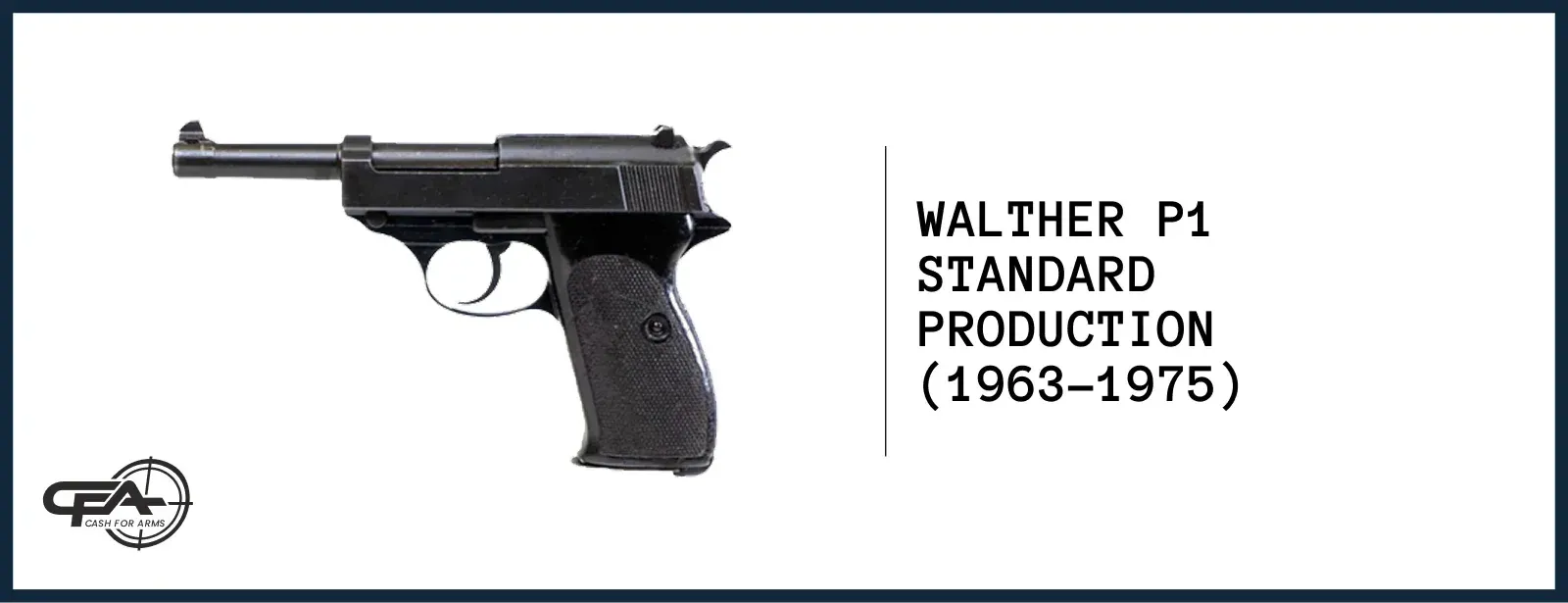
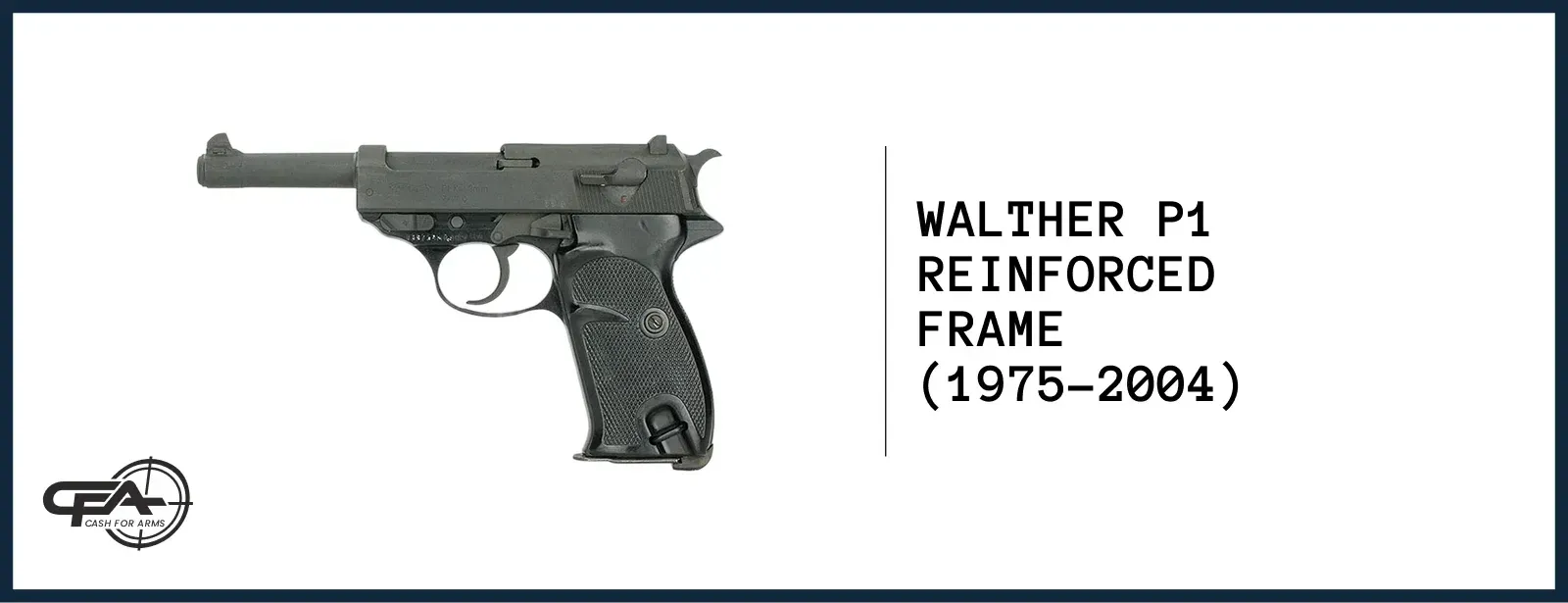
The Walther P1 is a German semi-automatic pistol introduced in 1963 as the post-war evolution of the legendary WWII P38. It has an aluminum alloy frame instead of steel to reduce weight while maintaining the innovative DA/SA trigger system.
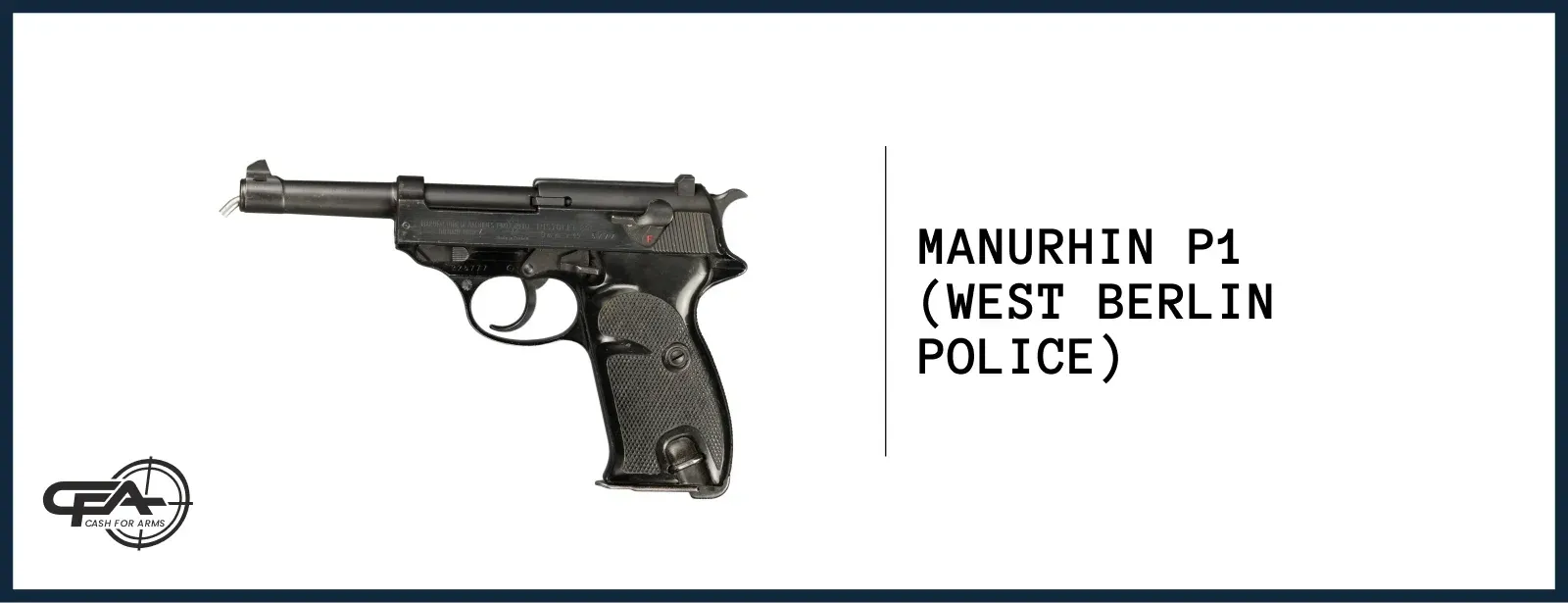
It served as the standard sidearm of the Bundeswehr and West German police forces until 2004, when it was replaced by the HK P8.
Today, it remains popular with handgun users. If you want to sell your Walther P1 pistol, you’re in the right place. In this guide, we’ll help you answer how much your Walther P1 is worth.
PS: If you're checking its value to sell your gun, ensure you follow federal rules. Read our guide on how to sell a gun online to stay 100% legal.
Current Market Value of a Walther P1
How much is a Walther P1 worth today? The average used Walther P1 is worth $650 to $1,010. It can vary widely due to market trends, however.
Get a FREE Appraisal and Offer
Thinking about selling your Walther pistol? We make the process easy with fast quotes, free insured shipping, and best-price guarantee.
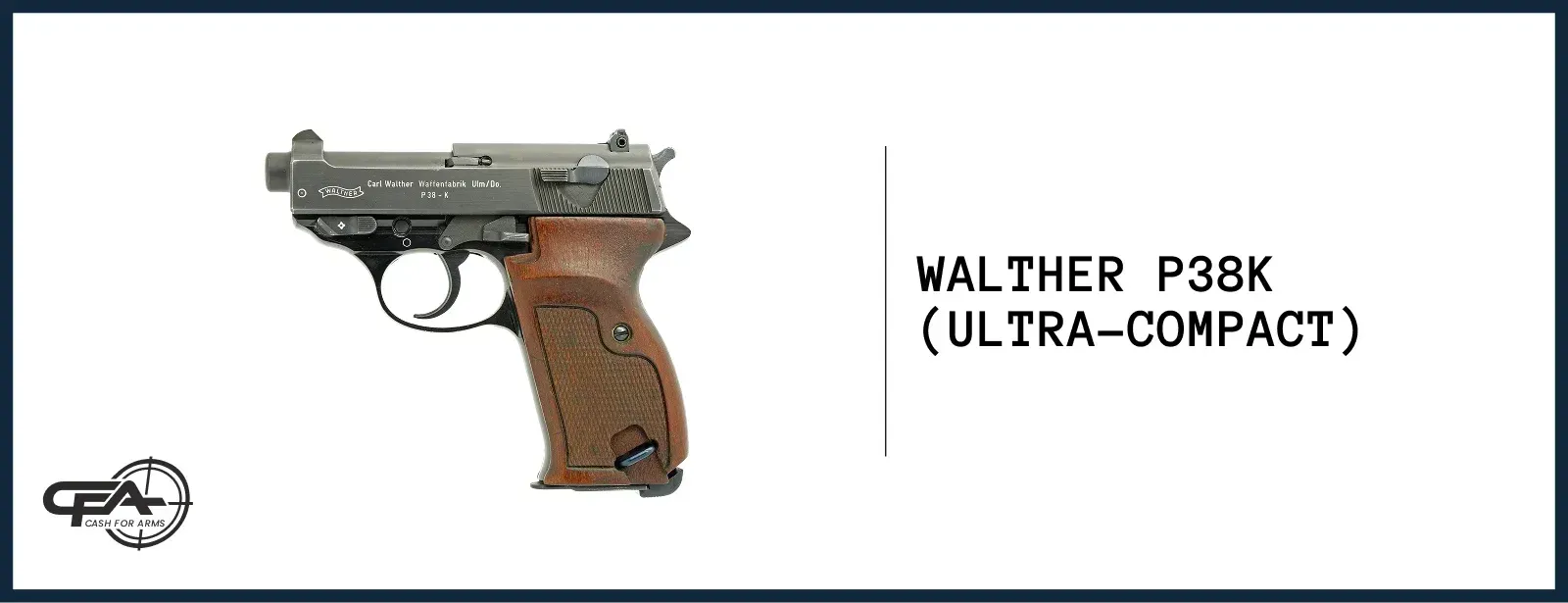
Get THE BEST Offer for Your Walther P1 Pistol!
We’re ready to buy your Walther P1 and make the process simple. Get a quick evaluation and a best-price guarantee for any P1 variant.
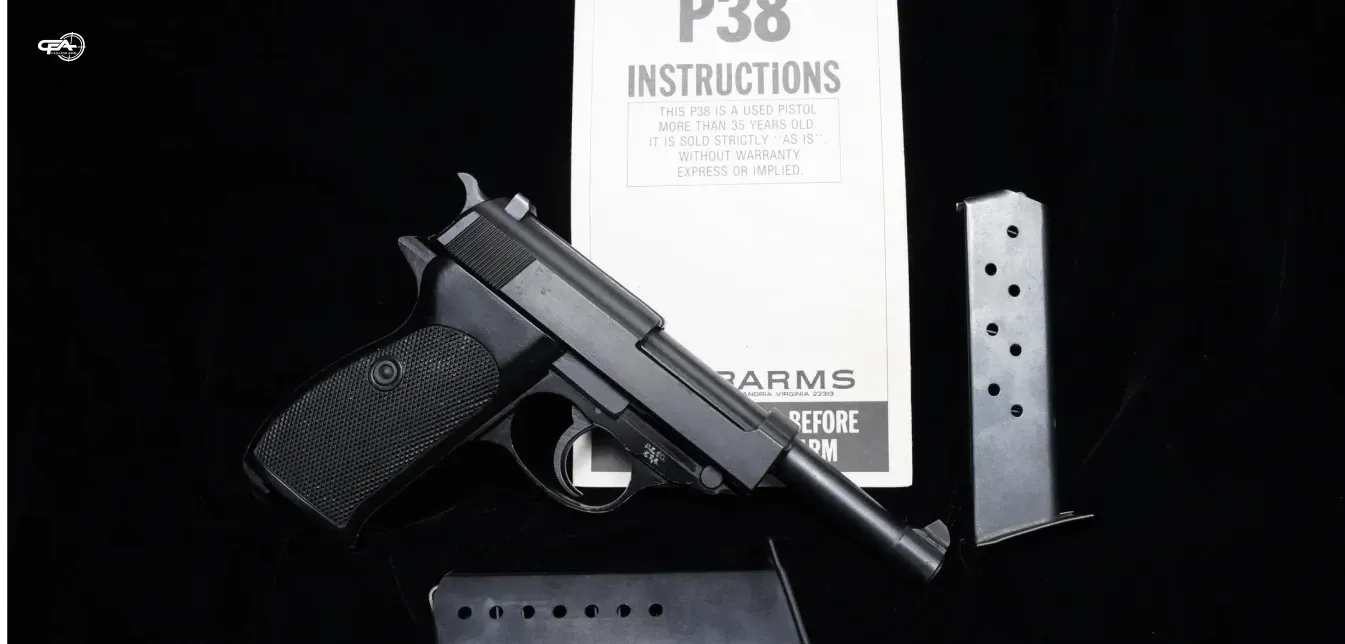
Sell a Walther P1 and Accessories Easy!
Selling a Walther P1 with extras? We take complete setups, including holsters, magazines, paperwork, and spare parts.
General Questions & Answers
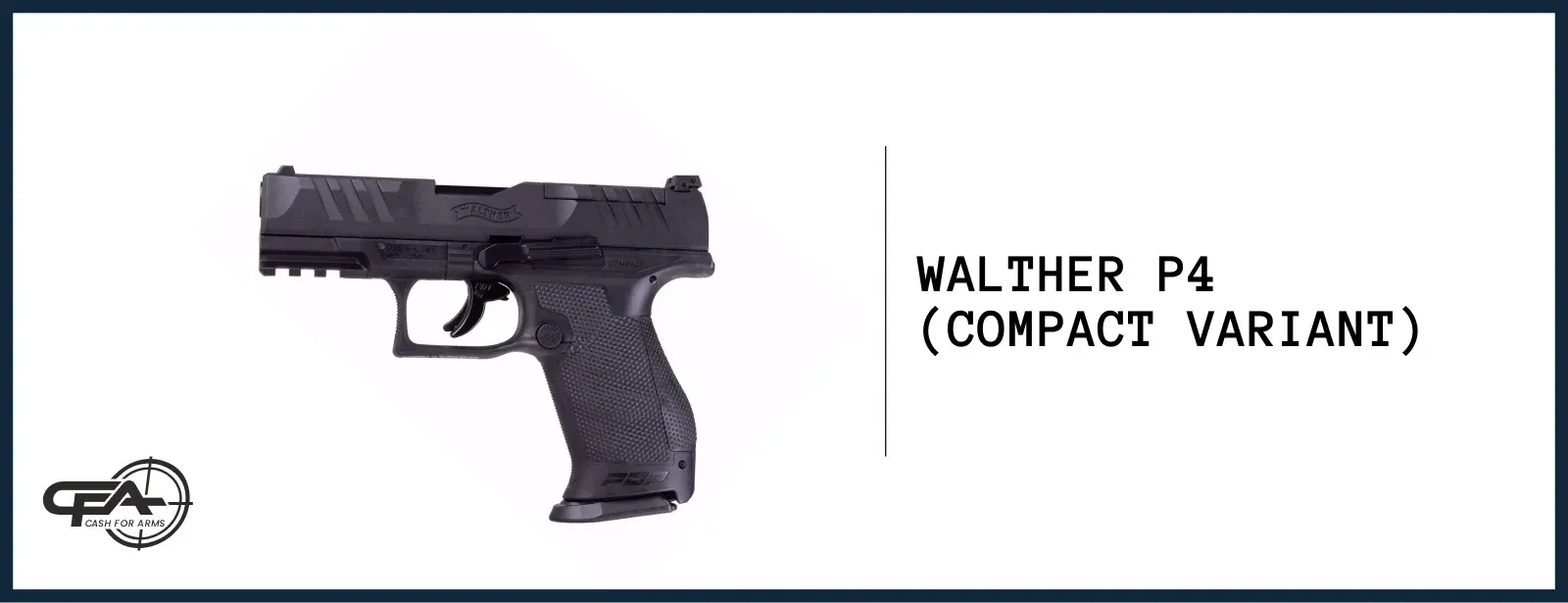
The Walther P1 and P4 are mechanically similar, but the P4 is a modernized, short-barreled version designed to address safety and handling concerns.
The Walther P1 uses an 8-round single-stack magazine, the same as the wartime P.38. Aftermarket magazines exist, but the factory standard capacity has always been 8 rounds.
A .22 LR can be lethal, but it is not ideal for home defense. It lacks consistent penetration and stopping power compared to defensive calibers like 9mm, .380 ACP, or .38 Special.
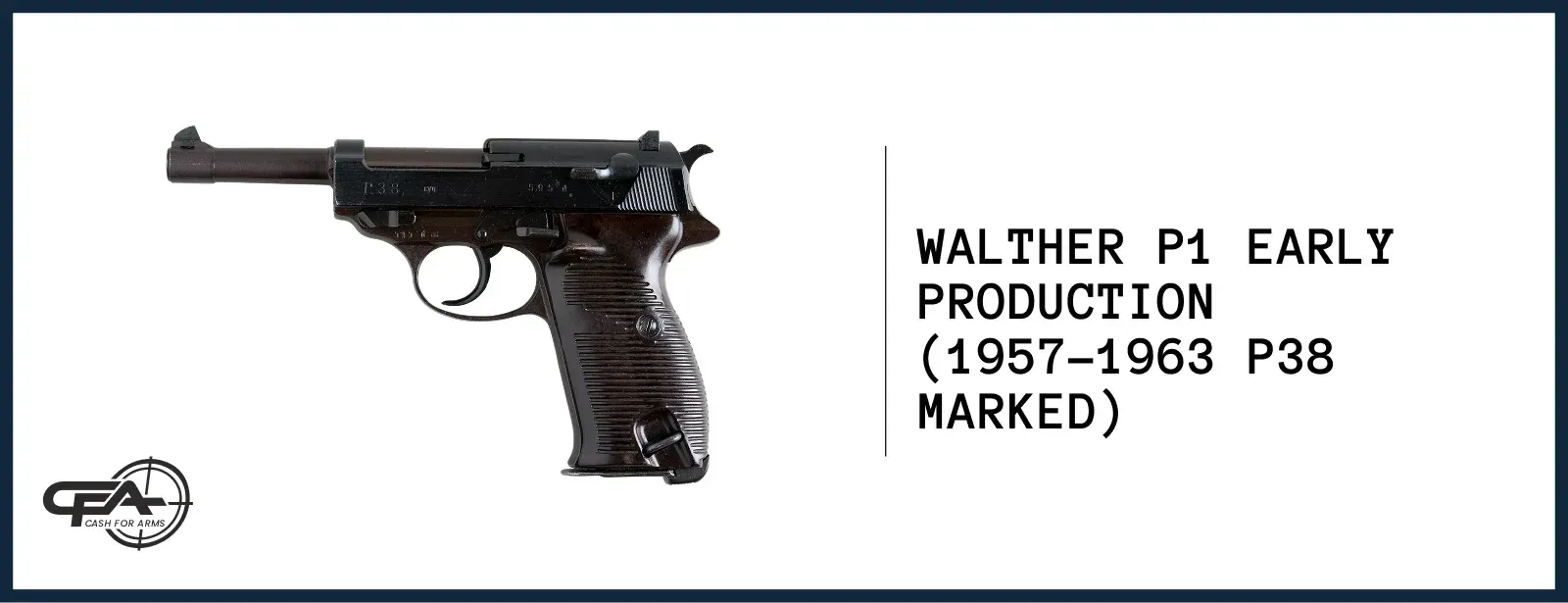
The P38 has a steel frame and was produced during WWII, while the P1 uses a lighter alloy frame and was made after the war for the West German military. Both operate the same way, but the P1 includes minor updates like a strengthened frame pin and modern markings.
The Walther P1 stands out for its special history and design. It's a German handgun with a cool past, used by the military and police. The "Gray Ghost" version even got its nickname because of its distinct gray finish.
The P1 is like an upgraded version of the P38. It's lighter because it has an aluminum frame, and it has some modern tweaks to make it even better for military and police use.
Yes, civilians can own a Walther P1. Some are sold in the civilian market as surplus or refurbished, giving gun enthusiasts a chance to own a piece of military history.
Some P1 pistols have a cool gray finish, earning them the nickname "Gray Ghost." It adds a bit of style to the gun and makes it stand out.
The Walther P1 was a standard-issue handgun for the German military, known as the Bundeswehr. It served them well and became a trusted sidearm for soldiers.
The design of the Walther P1 goes back to the mid-20th century. It has a classic style, but over the years, it has been improved with new materials and techniques.
People like the Walther P1 because it's not just a gun; it has a story. It blends old-school cool with modern features. Whether you're a collector or just love shooting, the Walther P1 has a unique charm.
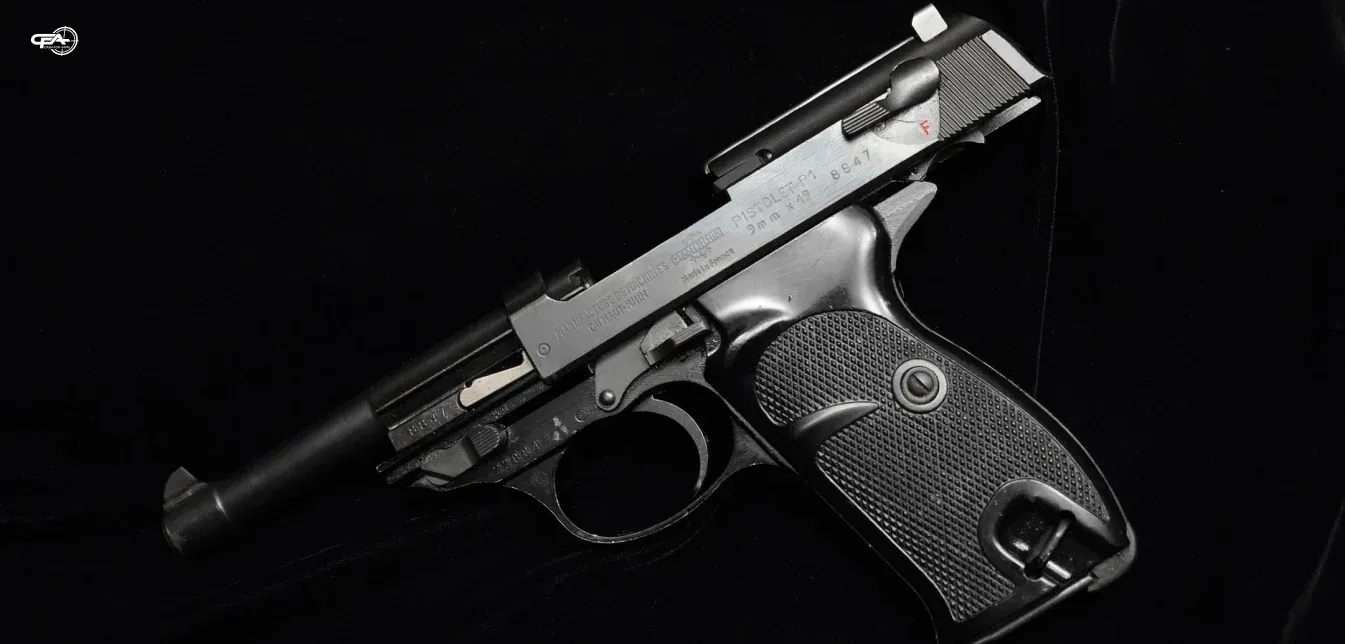
The primary difference lies in the frame, with the P1 featuring a black-finished aluminum alloy frame, a departure from the older P38. The P1's well-checkered grips contribute to better control and are slightly smaller in girth compared to the P38.
The pricing of Walther guns is influenced by several factors. This includes the use of high-quality materials in their construction, intricate and innovative designs, and thorough testing procedures aimed at ensuring reliability and precision.
Walther has earned a reputation for manufacturing some of the most reliable semi-automatic pistols in the industry. The Walther P99, in particular, is recognized for its exceptional reliability. The use of glass-reinforced polymer in its construction adds extra durability, making it well-suited for challenging conditions.
Disclaimer: We aren’t lawyers and this guide is for general information, not legal advice. Consult a lawyer if you need the latter. We can’t guarantee the information here is always current or accurate. You’re responsible for following laws in your area.