

Are you looking for ways on how to sell a gun in Houston? You have the option to sell your gun to either a private buyer or a Federal Firearms License (FFL) dealer. Each method has its own process and legal considerations.
Understanding gun sale laws can seem complex. This is especially true for first-time sellers. You must understand federal and state laws when selling a gun in Texas. This is to ensure a lawful transaction and to protect your interests.
In this blog, we'll cover the key laws you need to know. We'll also compare your main local selling options. These include FFL dealers, pawn shops, private buyers, and online platforms like Cash for Arms.


Pros:
- We handle the legal work. We’re an FFL dealer who buys used guns in Houston, so we ensure that what we do is 100% legal. You don’t have to stress yourself out memorizing gun laws and whatnot.
- Top market prices. We offer some of the most competitive rates in the used guns industry. We routinely beat quotes from other selling options, which is why we have a guaranteed best offer.
- Convenient home-based selling process. The entire sale can be completed from home. We provide free shipping on your firearm as well.
- Multiple payment options. You can choose to be paid via direct deposit, mail check, digital check, or Zelle Instant Payment.
Cons:
- Shipping required. You'll need to ship your gun to us to complete the sale. While the fastest shipping method available is overnight, payment is usually issued the day we receive the firearm.
Pros:
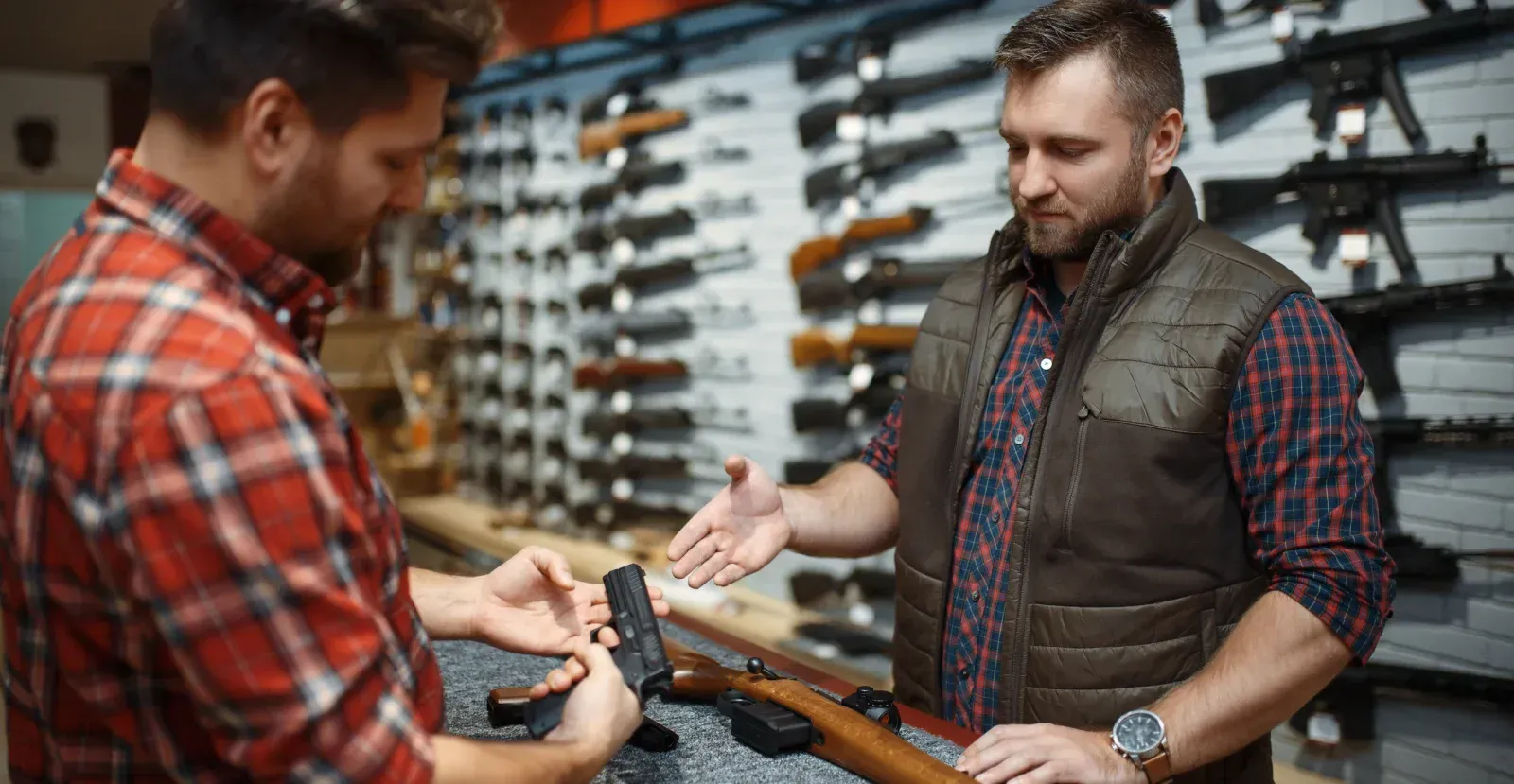
- Immediate payment. You receive payment right away upon completing the sale at the dealer's location.
- In-person transaction. The sale is conducted face-to-face, eliminating the need for shipping the firearm.
- Expert assessment. FFL dealers provide professional evaluation of your firearm's condition and value.
- Legal assurance. Licensed dealers ensure full compliance with all relevant firearm laws and regulations.
Cons:
- Lower offers. Dealers typically make offers lower than market value to ensure they can earn a profit on resale.
- Multiple visits. You may need to visit several dealers to find the best offer for your firearm.
- Time investment. Traveling to different dealers to compare offers can be time-consuming.
Pros:
- Quick process. Selling to a pawn shop offers a quick and easy transaction process.
- Immediate cash. You receive cash payment on the spot when you sell your firearm.
- No shipping. There's no need for shipping or creating online listings to sell your gun.
- Broader acceptance. Pawn shops may accept firearms that gun shops won't consider.
Cons:
- Low valuation. Pawn shops typically offer significantly lower prices, around 25-60% of your gun's market value.
- Limited expertise. Many pawn shops have limited expertise in firearm valuation compared to specialized dealers.
- Unprofessional handling. There's potential for less professional or thorough transactions compared to specialized gun dealers.
Pros:
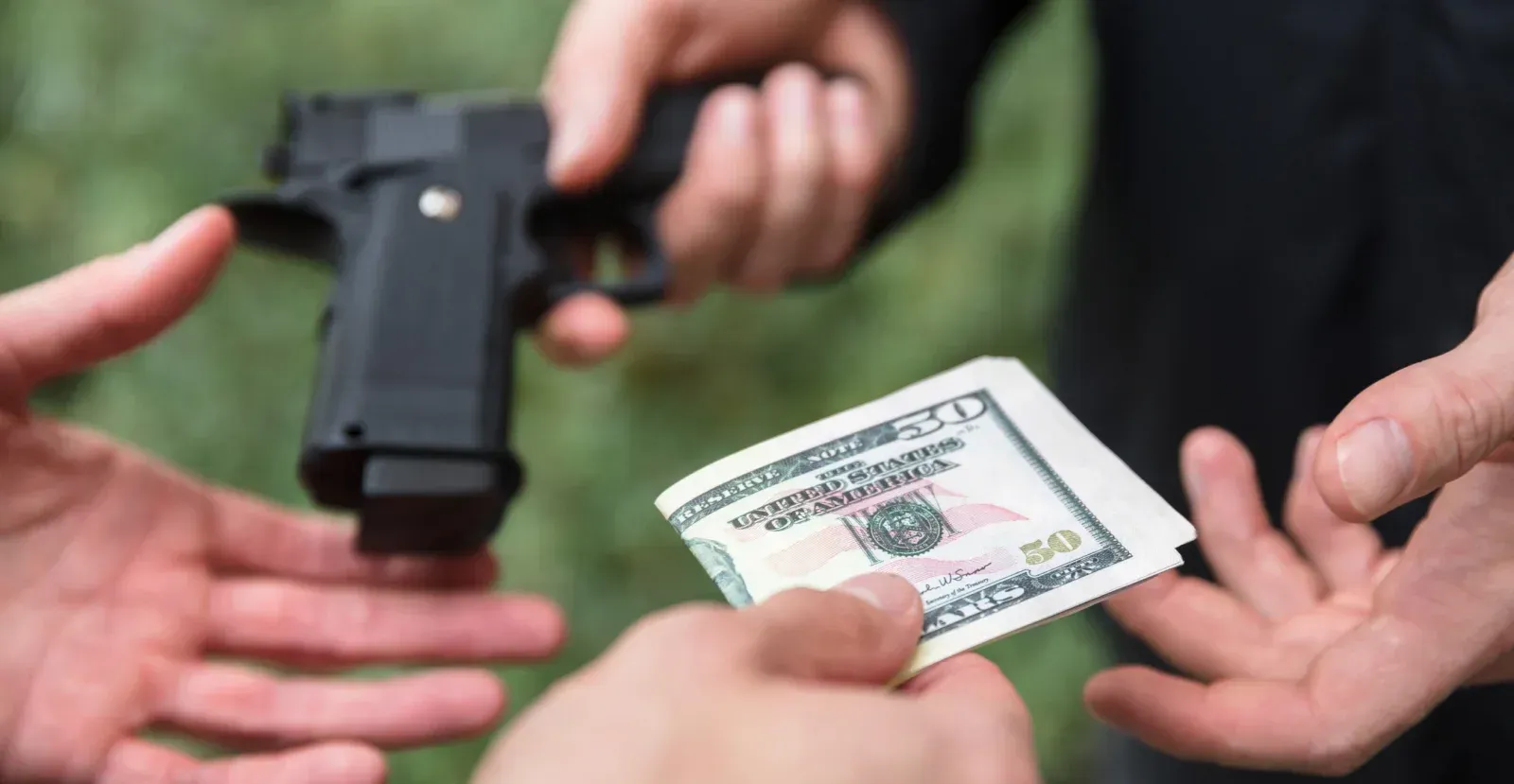
- Higher prices. You have the potential to get a higher sale price without middleman fees eating into your profits.
- Negotiation freedom. There's more flexibility in negotiation and setting the terms of the sale with a private buyer.
- Enthusiast appeal. You can reach enthusiasts who appreciate specific models and may pay a premium for them.
- Community building. Selling privately allows you to build connections within the local gun community.
Cons:
- Legal responsibility. The responsibility for ensuring legal compliance falls entirely on you as the seller.
- Safety concerns. There are potential safety risks when meeting strangers for firearm transactions.
- Time consumption. The process of listing, communicating, and arranging meetings can be time-consuming.
- Fraud risk. There's an increased risk of encountering scams or fraudulent buyers in private sales.
- Extended timeline. It may take longer to find a suitable buyer compared to other selling methods.
Find Out How To Sell A Gun In Any State
DISCLAIMER
This website is for informational purposes only. While we strive for accuracy, we can’t guarantee it. Use this information at your own risk. This is not legal advice. Users are responsible for complying with all applicable firearm laws in their area.